
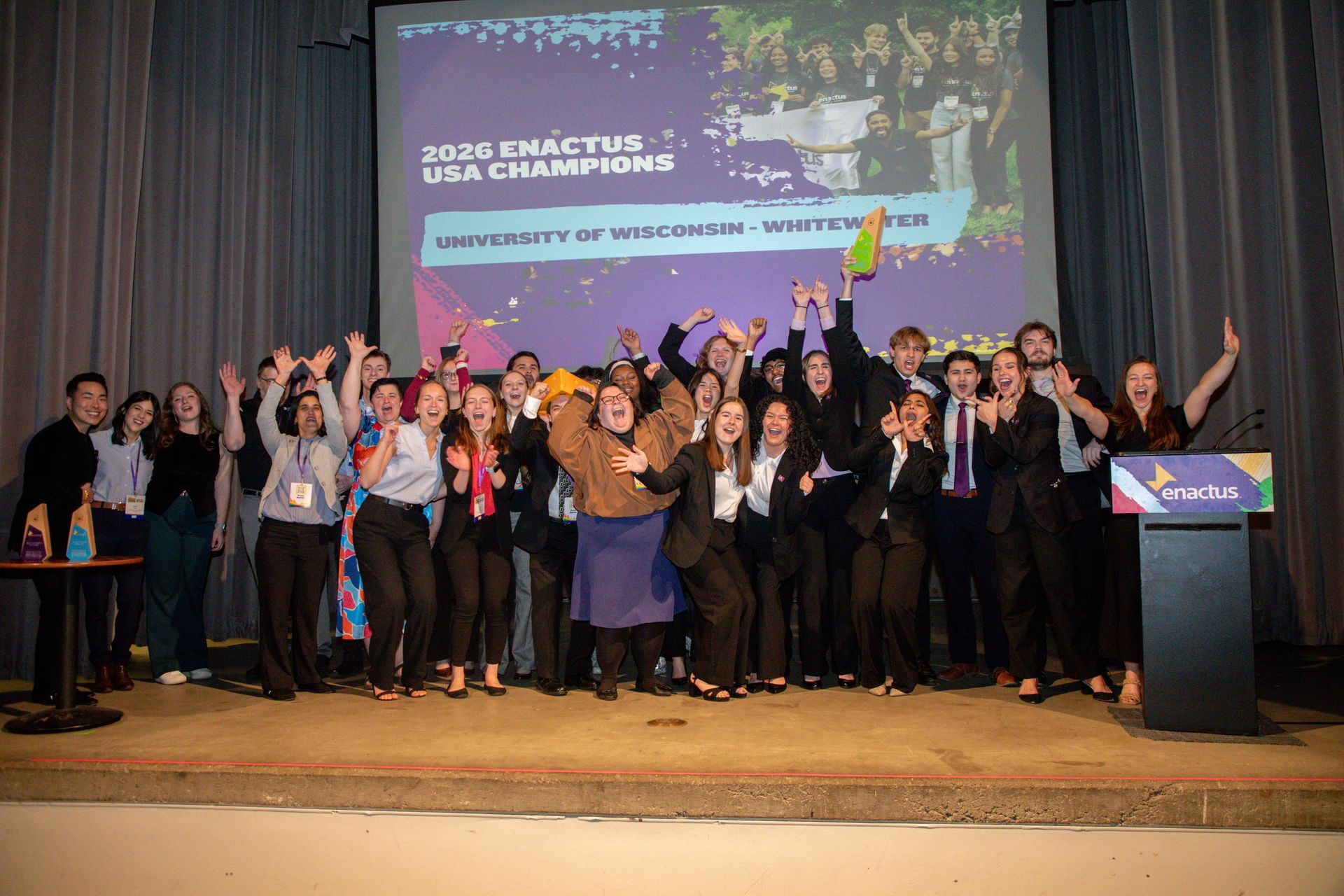
A Powerful Panel on Burnout, Resilience, and “The Pause”


By this point in the spring semester, learning might be feeling a bit differently than it did back in January. Maybe the novelty has worn off. Maybe expectations feel more daunting. Maybe deadlines feel like they’re whacking you in the face at a fast and furious pace. Even students who enjoy learning can notice themselves shifting into a more transactional mindset around this time in the semester. You might find yourself only focusing on what is required rather than what is interesting. If that is you, we see you and this is our gentle reminder that now is the moment when intellectual wellbeing starts to matter most.
Last week, we explored how anger can be a signal to listen to. Anger shows you what matters. It highlights misalignment, injustice, and unmet needs. This week, the question becomes: What do you do with that awareness? Spring is the season of action, growth, and alignment . It is where frustration turns into movement and where empowerment begins to bring about intentional, sustainable change. Campus change can start with choosing one cause you genuinely care about and showing up in ways that are realistic for your life.

Anger often gets a bad reputation. We are taught to suppress it, minimize it, or feel ashamed when it shows up, especially in academic or professional environments. But anger can be used as useful information. Let us explain… As we move into spring, the season of action, growth, and alignment , we shift from quiet reflection to forward movement. And the emotion guiding us now is anger. Not explosive rage, but the deep frustration that rises when something feels unfair, misaligned, or broken. Here is the reframe that we invite you to consider this season: Whatever frustrates you most is often the clearest clue to what needs your voice.
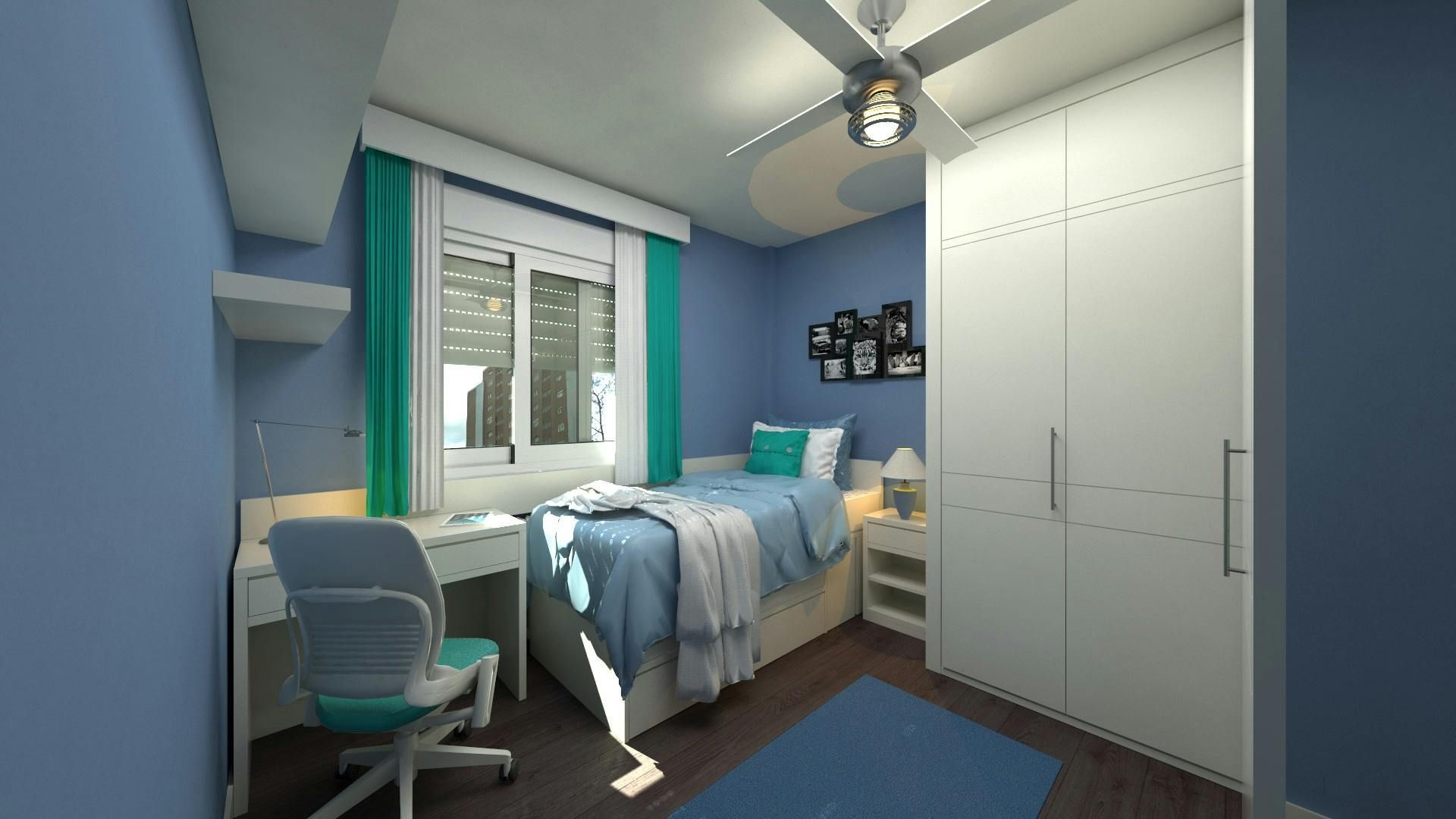
Your environment shapes how you feel more than you might realize. The space where you sleep, study, and unwind is not just a backdrop to your life; it is an active participant in your wellbeing. In winter especially, when days are shorter and stress tends to build, your physical environment can either help regulate your nervous system or quietly drain your energy. This week’s invitation is simple: What would it look like to make your space feel like a sanctuary instead of just a place you crash? You do not need a big budget, perfect décor, or a lot of square footage. Just intention.

Valentine’s Day is usually framed around how we show up for other people like romantic partners, friends, family. It is filled with messages about giving more, doing more, being more. But what if we took the opportunity today to ask a quieter, more important question: How do you treat yourself when no one else is watching? This winter, as we continue exploring the emotional arc of fear → reflection → clarity , self-compassion asks us to pause and look inward. Because burnout, perfectionism, and chronic self-criticism rarely come from a lack of effort. They start with misplaced expectations and a belief that you are only worthy when you are improving.
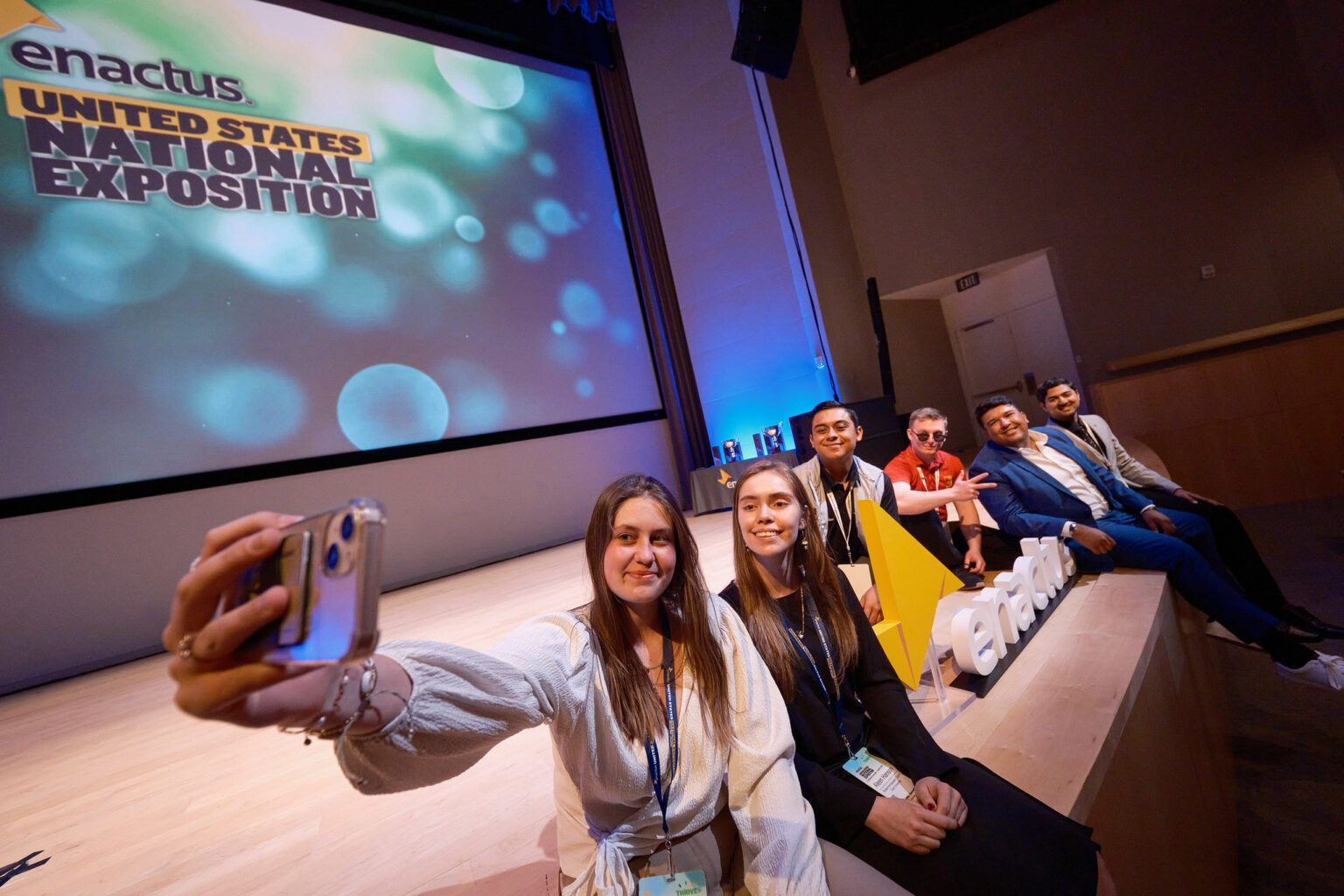
A conversation with Mikena Manspeaker, Acting Country Leader for Enactus United States

Money stress is one of the most common (and least talked about!) sources of anxiety for college students. It shows up quietly: a tight feeling when you check your bank account, avoiding emails about tuition or fees, stress when friends suggest plans you can’t afford, or guilt over spending even small amounts. If this sounds familiar, you are not alone! This winter, as we continue moving through the emotional arc of fear → reflection → clarity , financial wellbeing invites an honest question: What am I afraid of when it comes to money? Because beneath budgeting apps and bank balances, money is deeply emotional.