
A Year of Wellbeing Begins Here

January 3, 2026

The start of a new year always feels full of possibility. For college students especially, the beginning of January offers a clean slate before the semester ramps up. This is the in-between moment where you can breathe, reflect, and decide how you want to show up in the months ahead. At the Lifelong Wellbeing Foundation, we believe this pause is essential. Because a year of wellbeing doesn’t begin with resolutions, hustle, or pressure. It begins with awareness.


This winter, our seasonal focus is rest, evaluation, and courage. Often our guiding emotion as we dive into a new semester is fear—not in the sense of danger, but in the sense of that subtle internal resistance that rises whenever we stand at the edge of something important. This is your invitation to acknowledge and harness that emotion. Fear often shows up when we’re about to grow. When we pause long enough to ask, “What am I actually afraid of here?” we often discover exactly where clarity is waiting.

Wellbeing Is a Lifelong Practice

It’s tempting to think of wellbeing as something you “achieve” when everything is going smoothly: when grades are good, routines are stable, relationships are solid, and stress is low. But wellbeing is an ongoing practice and a daily relationship with yourself.


That practice expands across eight dimensions, each shaping a piece of your life:

  • Emotional – How you process feelings, manage stress, and express yourself.
  • Physical – How you nourish, move, and care for your body.
  • Social – The quality of your relationships and sense of belonging.
  • Intellectual – Curiosity, creativity, and learning that goes beyond the classroom.
  • Spiritual – Meaning, purpose, and connection to something greater.
  • Environmental – How your surroundings support or drain you.
  • Occupational – Your academic path, career direction, and sense of contribution.
  • Financial – How you make decisions about money, stability, and future planning.


These dimensions don’t exist in isolation. When one is out of balance (think: you’re overwhelmed emotionally or your financial stress spikes) it can impact the rest. But the same is true in the reverse. When one is nurtured, you can feel it everywhere!


Winter Is the Season for Looking Inward

College life runs fast. Assignments stack up, group chats buzz, internships open and close, and social plans fill your calendar before you even finish making them. The pace makes it easy to operate on autopilot.


Seasonal wellbeing invites you to shift gears with the natural rhythm of the year. Winter is a time when the world outside becomes quieter. Days are shorter, evenings come sooner, and life feels softer around the edges. This season encourages you to take stock of your internal landscape in the same way nature does by slowing down, conserving energy, and gathering clarity.


Here’s how to enter the new year through this lens:

1. Pause before you plan.

Instead of jumping straight into new goals, allow yourself a moment to notice what you actually need. What patterns from last semester do you want to release? What habits helped you? What drained you?


2. Let fear be your guide.

Fear often points directly to the next right step. Afraid to join that club? Maybe it matters to you. Nervous about choosing a major? It’s a sign you’re ready to take ownership of your path. Avoiding a difficult conversation? Your relationships may be ready to evolve.


3. Choose clarity over perfection.

You don’t need a perfect plan for 2026 right now. You just need a starting point. You have a whole year ahead of you to try things out, adapt, evolve, and figure things out along the way.

Take the Student Wellbeing Check-In

If you want a simple, grounding way to begin your year of wellbeing, start with our Student Wellbeing Check-In, a short self-assessment designed to help you identify exactly where you’re thriving and where you may need support.


Take it here:
https://www.lifelongwellbeingfoundation.org/the-student-wellbeing-check-in-pinpoint-where-to-start-growing-stronger


Don’t worry! The assessment isn’t a test and there are no “good” or “bad” scores. Instead, you’ll get a snapshot of your current wellbeing across all eight dimensions which is a great starting point for putting together your personal map for 2026. Many students tell us this clarity is empowering. When you know where to begin, the path forward becomes much more manageable!


Your Year of Wellbeing Starts Now

Here’s what we want you to remember as this new year opens:

  • You don’t have to overhaul your life.
  • You don’t need to pretend you’re thriving if you aren’t.
  • You don’t have to suppress the fear that comes with stepping into growth.
  • You only need to take the first step.


This winter, give yourself permission to slow down long enough to hear what your wellbeing is asking of you. Rest, reflect, and gather your courage. You don’t need to have everything figured out today. You simply need to begin.


This year, we’ll be here with you sharing tools, stories, and practices to support every dimension of your wellbeing. Because we believe that when students prioritize their wellbeing, the whole world can change for the better.


And your wellbeing journey for 2026 starts right now!

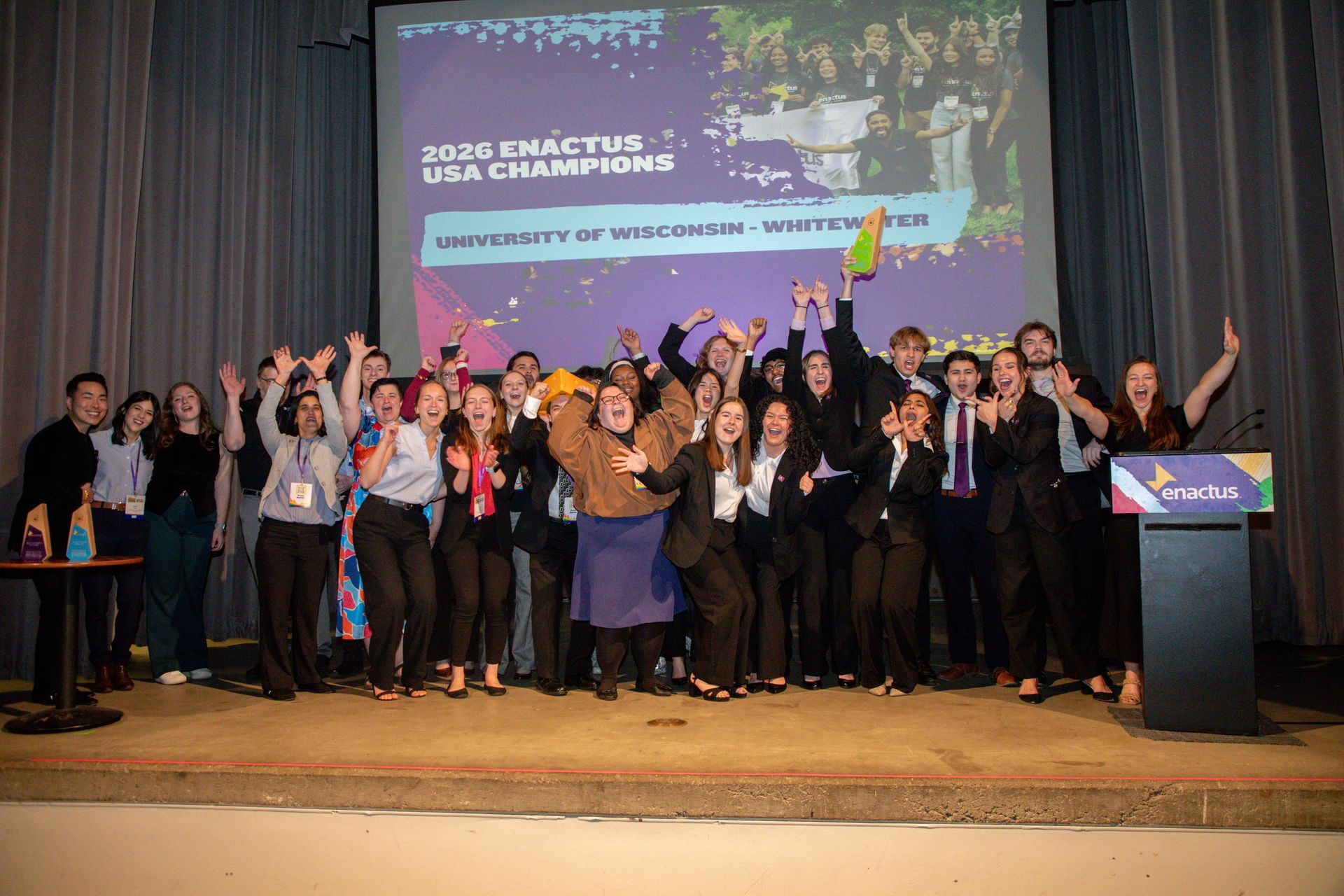
By Beth Berger March 28, 2026
What is the Enactus U.S. Expo?
March 21, 2026
By this point in the spring semester, learning might be feeling a bit differently than it did back in January. Maybe the novelty has worn off. Maybe expectations feel more daunting. Maybe deadlines feel like they’re whacking you in the face at a fast and furious pace. Even students who enjoy learning can notice themselves shifting into a more transactional mindset around this time in the semester. You might find yourself only focusing on what is required rather than what is interesting. If that is you, we see you and this is our gentle reminder that now is the moment when intellectual wellbeing starts to matter most.
March 14, 2026
Last week, we explored how anger can be a signal to listen to. Anger shows you what matters. It highlights misalignment, injustice, and unmet needs. This week, the question becomes: What do you do with that awareness? Spring is the season of action, growth, and alignment . It is where frustration turns into movement and where empowerment begins to bring about intentional, sustainable change. Campus change can start with choosing one cause you genuinely care about and showing up in ways that are realistic for your life.

March 7, 2026
Anger often gets a bad reputation. We are taught to suppress it, minimize it, or feel ashamed when it shows up, especially in academic or professional environments. But anger can be used as useful information. Let us explain… As we move into spring, the season of action, growth, and alignment , we shift from quiet reflection to forward movement. And the emotion guiding us now is anger. Not explosive rage, but the deep frustration that rises when something feels unfair, misaligned, or broken. Here is the reframe that we invite you to consider this season:  Whatever frustrates you most is often the clearest clue to what needs your voice.
February 21, 2026
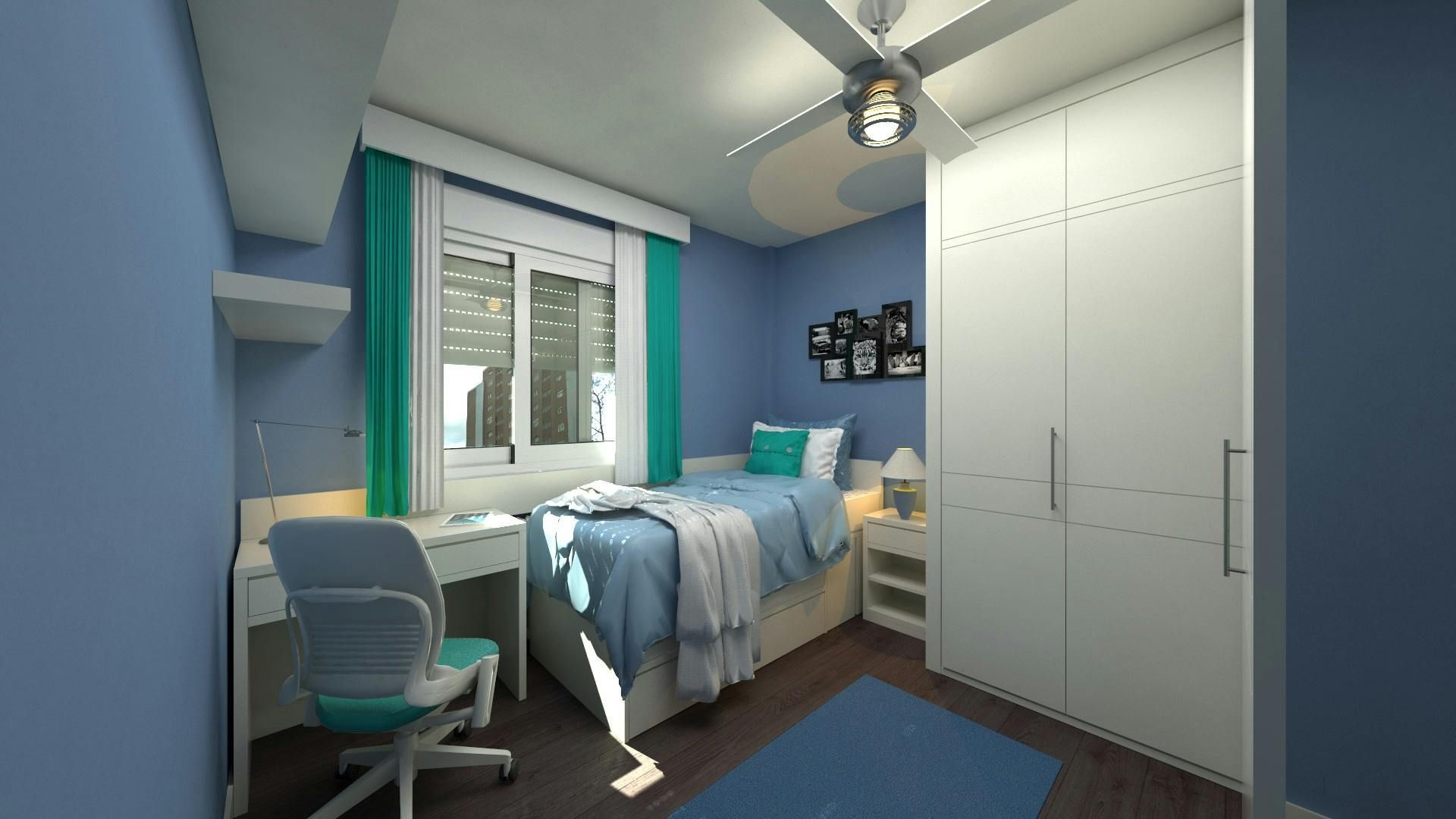
Your environment shapes how you feel more than you might realize. The space where you sleep, study, and unwind is not just a backdrop to your life; it is an active participant in your wellbeing. In winter especially, when days are shorter and stress tends to build, your physical environment can either help regulate your nervous system or quietly drain your energy. This week’s invitation is simple:  What would it look like to make your space feel like a sanctuary instead of just a place you crash? You do not need a big budget, perfect décor, or a lot of square footage. Just intention.

February 14, 2026
Valentine’s Day is usually framed around how we show up for other people like romantic partners, friends, family. It is filled with messages about giving more, doing more, being more. But what if we took the opportunity today to ask a quieter, more important question: How do you treat yourself when no one else is watching? This winter, as we continue exploring the emotional arc of fear → reflection → clarity , self-compassion asks us to pause and look inward. Because burnout, perfectionism, and chronic self-criticism rarely come from a lack of effort. They start with misplaced expectations and a belief that you are only worthy when you are improving.
By Beth Berger February 12, 2026
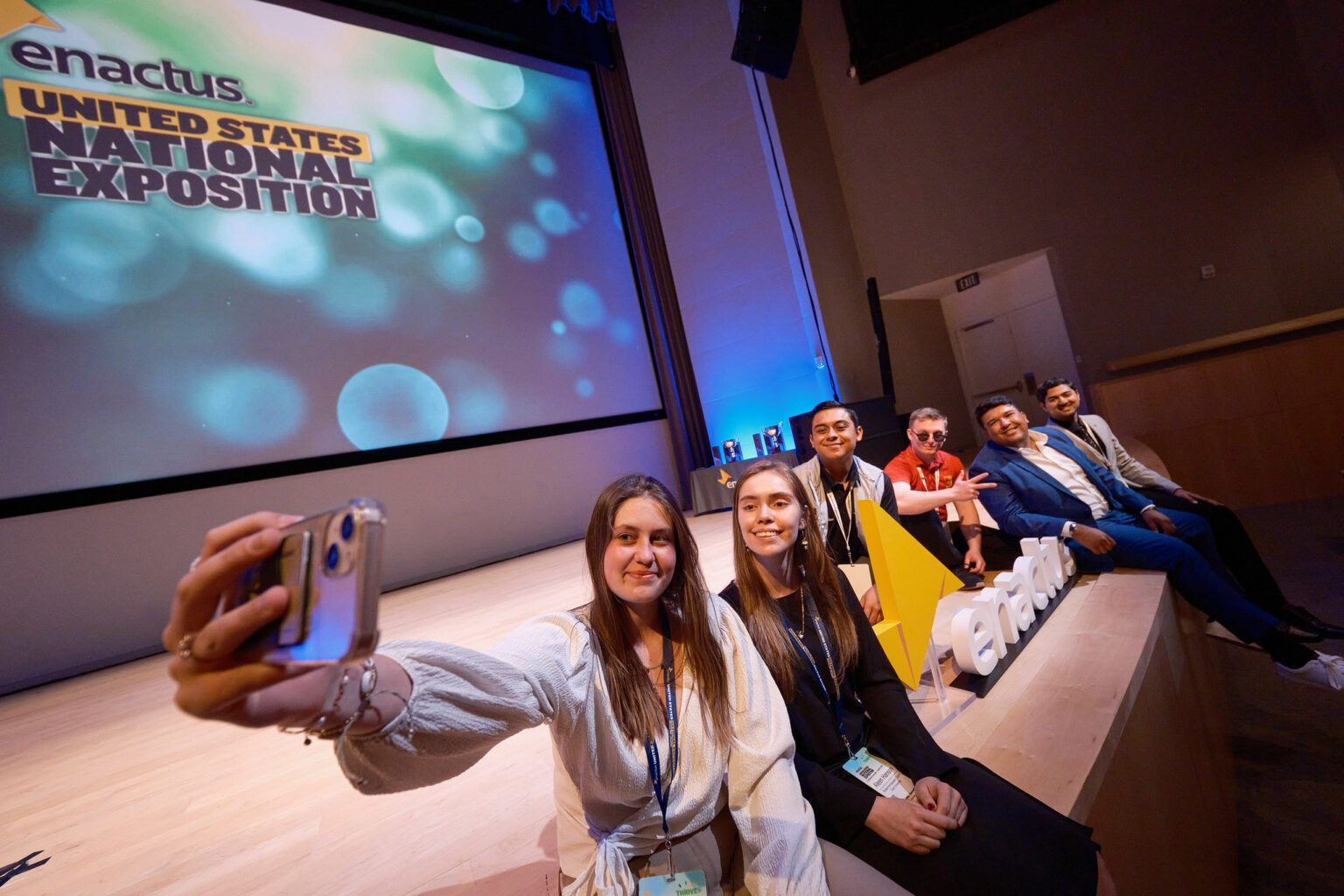
A conversation with Mikena Manspeaker, Acting Country Leader for Enactus United States

February 7, 2026
Money stress is one of the most common (and least talked about!) sources of anxiety for college students. It shows up quietly: a tight feeling when you check your bank account, avoiding emails about tuition or fees, stress when friends suggest plans you can’t afford, or guilt over spending even small amounts. If this sounds familiar, you are not alone! This winter, as we continue moving through the emotional arc of fear → reflection → clarity , financial wellbeing invites an honest question: What am I afraid of when it comes to money?  Because beneath budgeting apps and bank balances, money is deeply emotional.
January 24, 2026
Most students plan their semester around one thing: deadlines. Assignments. Exam dates. Work shifts. Lab schedules. Club meetings. Everything gets built around what has to happen. But what if you designed your semester around when you function best , not just when things are due? This is the heart of wellbeing-centered planning: recognizing that your energy is not the same at every hour of every day, and that working with your natural rhythms leads to better performance, better mood, and less burnout. This winter’s theme of r est, evaluation, and courage encourages you to pause, look inward, and ask: What do I need to thrive this semester? Not just to get through it, but to feel steady, capable, and clear.  Designing your semester around your energy peaks is one of the smartest ways to begin that shift!
January 17, 2026
When you think about fear, you might picture danger, stress, or something you want to avoid. But what if fear isn’t the enemy? What if fear is information that’s pointing you toward something meaningful? This winter at the Lifelong Wellbeing Foundation, we’re exploring the emotional arc of fear → reflection → clarity . Fear often signals the exact place where growth wants to happen. Instead of treating fear as a stop sign, we can begin to treat it as a compass.
Show More