

Sponsor Spotlight: STEMREGEN®

December 16, 2025

More Health. More Life. More You.

The Lifelong Wellbeing Foundation is honored to spotlight one of our sponsors, STEMREGEN®, a company rooted in 25+ years of regenerative science and driven by a mission that aligns beautifully with our own: helping people live healthier, more resilient, more fully expressed lives.


At the center of STEMREGEN’s work is Ryan Riley, CEO and longtime student of wellbeing, longevity, and the habits that allow us to meet life with more energy, not less. In our conversation, Ryan shared the science behind STEMREGEN, what elite athletes teach us about recovery, and why he believes wellbeing on college campuses could be transformed by simple longevity practices.


Meet STEMREGEN®: The Science of the Body’s Natural Repair System

More than twenty years ago, STEMREGEN® Founder and Chief Science Officer Christian Drapeau, MSc made a discovery that would reshape our understanding of human regenerative potential. While studying a rare extract from blue-green algae, Christian observed something unexpected: people reported profound improvements that seemed beyond what modern medicine could easily explain.


Motivated by both scientific curiosity and a genuine desire to understand why people were experiencing such meaningful changes, Christian followed the evidence. His research eventually revealed a breakthrough insight: adult stem cells function as the body’s natural repair system, continuously released from the bone marrow to patrol the bloodstream, they seek out areas of need, and support tissue repair.


As he deepened his research, another pattern emerged:

· Circulating stem cell levels naturally decline with age.

· This decline correlates strongly with the onset of age-related conditions.

· Supporting healthy stem cell release helps the body repair and renew itself more effectively.


This shifted Christian’s perspective entirely. Instead of focusing on isolated symptoms or individual organs, he saw that supporting the body’s innate regenerative engine driven by adult stem cells could create a ripple effect of wellbeing across the entire body.


From this insight, STEMREGEN® was born.


STEMREGEN® is formulated to naturally support the body’s repair potential by increasing circulating stem cells. Drawing from Christian’s pioneering research into plant‑based compounds (sourced from regions like Klamath Lake, the Tibetan Plateau, and Madagascar) STEMREGEN® helps promote endogenous stem cell mobilization, empowering the body to deploy more of its own repair cells where they’re needed most.


Christian’s discovery offered a new lens for understanding wellbeing: when repair improves, everything improves.


Meet Ryan Riley, CEO: Leadership, Longevity, and a Life Built on Regeneration

As Christian transitioned into the role of Chief Science Officer at STEMREGEN®, he named Ryan Riley as CEO to shepherd the company into its next chapter of growth.


Longevity isn’t theoretical for Ryan. It’s personal.


A father of five and lifelong athlete, he’s committed to living fully in every chapter of life, whether that means running a Spartan Trifecta with his sons or stacking daily habits like meditation, sauna, red-light therapy, cold plunges, and strength training into his morning routine.


“I’m 52 and feel better than I did in my thirties and that’s not because I want to live forever, but because I want to live more,” he shared. “If your body has the tools it needs to repair and recover, it will show up for you.”


That belief in teaching, sharing, and lifting others is central to STEMREGEN®’s future. Over the coming year, Ryan and the team plan to release training, interviews, and educational content to empower people to understand their bodies, their health, and their potential more deeply.


Why STEMREGEN Chose to Support LWF

Ryan shared that the alignment was immediate:

  • Both STEMREGEN and LWF believe in proactive wellbeing, not waiting for crisis.
  • Both emphasize habits over quick fixes.
  • Both help people understand the science behind stress, recovery, and long-term health.


But there’s also a personal connection:


“My boys are college-aged. I remember feeling indestructible at that age and also how quickly that changes. I wish I’d known then what I know now.”


Supporting LWF is, in many ways, a way for Ryan to help give students the knowledge he wishes he’d had earlier.

What Elite Athletes Are Teaching STEMREGEN About Recovery

STEMREGEN®’s recent NSF Certified for Sport® product opened the door to partnerships with athletes across the NHL, MLB, MMA, and NCAA programs.


One MLB player recovering from injury returned two weeks earlier than expected.
Another athlete, a major fitness influencer with nearly a million followers, felt the difference on day three, simply walking up her stairs post-workout.


Across sports, the pattern is the same: recovery is the real driver of performance.


“Athletes—especially younger ones—feel indestructible,” Ryan says.
“But micro-tears add up. If you don’t optimize recovery, you’ll never maximize performance.”


That insight translates directly to our student communities. Whether competing on the field or simply trying to keep up with the demands of college life, recovery is the foundation that allows young people to show up and perform at their best.


How Regeneration Science Can Help All Students

College life is filled with constant demands: exams, deadlines, relationships, finances, identity crises, future pressure. Even high performers can slip into fight-or-flight response when faced with stress.

Longevity practices like sauna, meditation, cold exposure, or just intentional rest are fundamentally about interrupting the cycle of stress and returning to yourself.


Ryan put it beautifully:


“Longevity is taking time to give back to yourself. Students give so much to friends, school, work, family. And it’s not selfish to take a moment that’s just for you.”


He shared the classic “sharpen the axe” parable: the lumberjack who pauses to sharpen his axe ultimately outperforms the one who never stops working. Regeneration is sharpening the axe.


When college students understand the science behind metaphorically stopping to sharpen their tools, they are far more willing to do so.


In Gratitude

We are deeply grateful for STEMREGEN®’s sponsorship and for Ryan’s willingness to share his expertise, story, and heart for young people.


STEMREGEN®’s mission echoes our own commitment to help students thrive across all 8 Dimensions of Wellbeing.


To learn more about STEMREGEN®’s work or explore their products, visit:
https://www.stemregen.co/


Thank you, STEMREGEN®, for supporting student wellbeing and helping us build healthier, more resilient futures.

December 23, 2025
How a 24-Year-Old Innovator Is Reimagining the Future of Mental Health Tools
December 9, 2025
1. Nutrition & Food as Medicine
December 2, 2025
Colleges and universities have always been more than classrooms. The entire campus becomes an ecosystem where students learn, grow, and discover who they are. But in recent years, higher education has faced a growing challenge: students are arriving on campus with more complex needs and higher stress levels than ever before. Conversations around wellness and wellbeing are essential. Wellness vs. Wellbeing: Why the Distinction Matters You’ve probably heard both terms used interchangeably, but they represent different, though connected, aspects of student health. Wellness is about the daily habits that maintain physical and emotional health like sleep, nutrition, exercise, and stress management. It’s the realm of fitness centers, mindfulness exercises, and campus health initiatives. Wellbeing , on the other hand, looks at the whole picture: not just what students do, but how they feel, function, and connect. It’s the realm of belonging, purpose, and the environment that supports (or hinders) a student’s ability to thrive. When wellbeing is strong, students show up to class more engaged, persist through challenges, and build the resilience to navigate college and beyond.
November 25, 2025
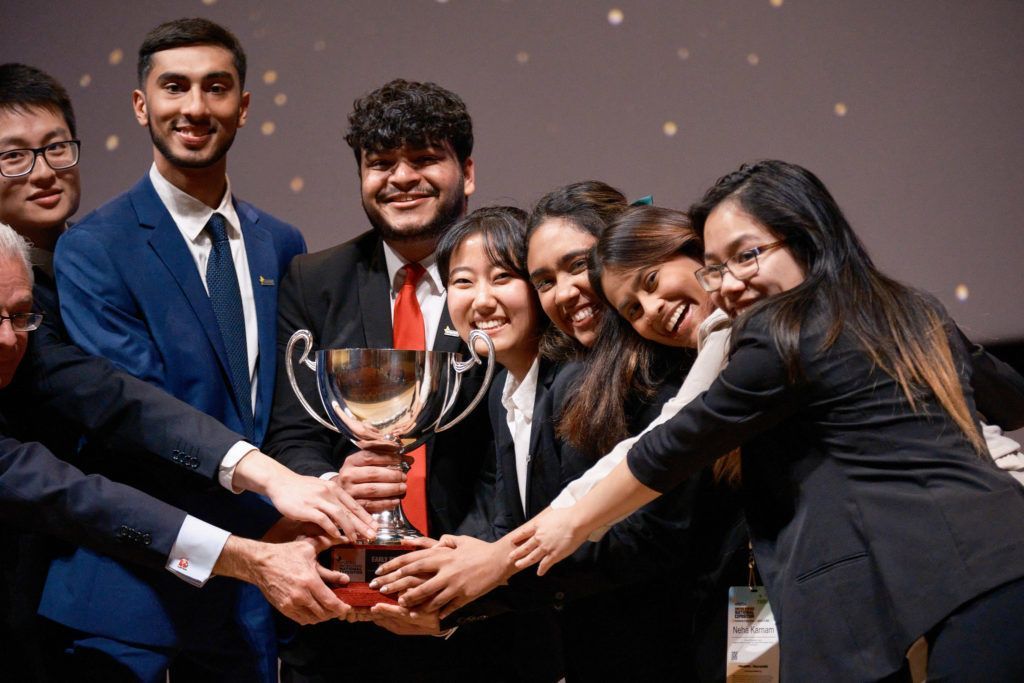
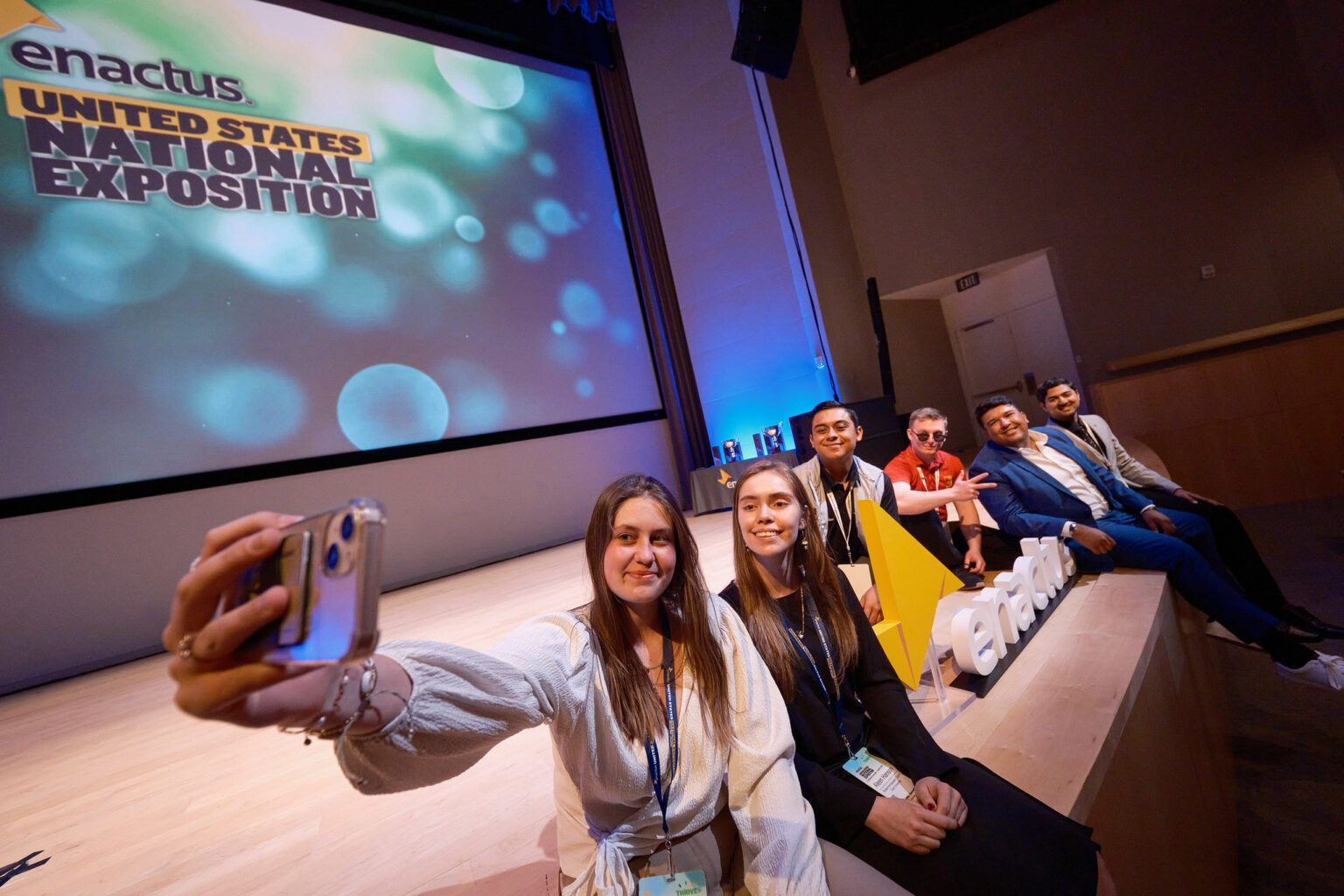
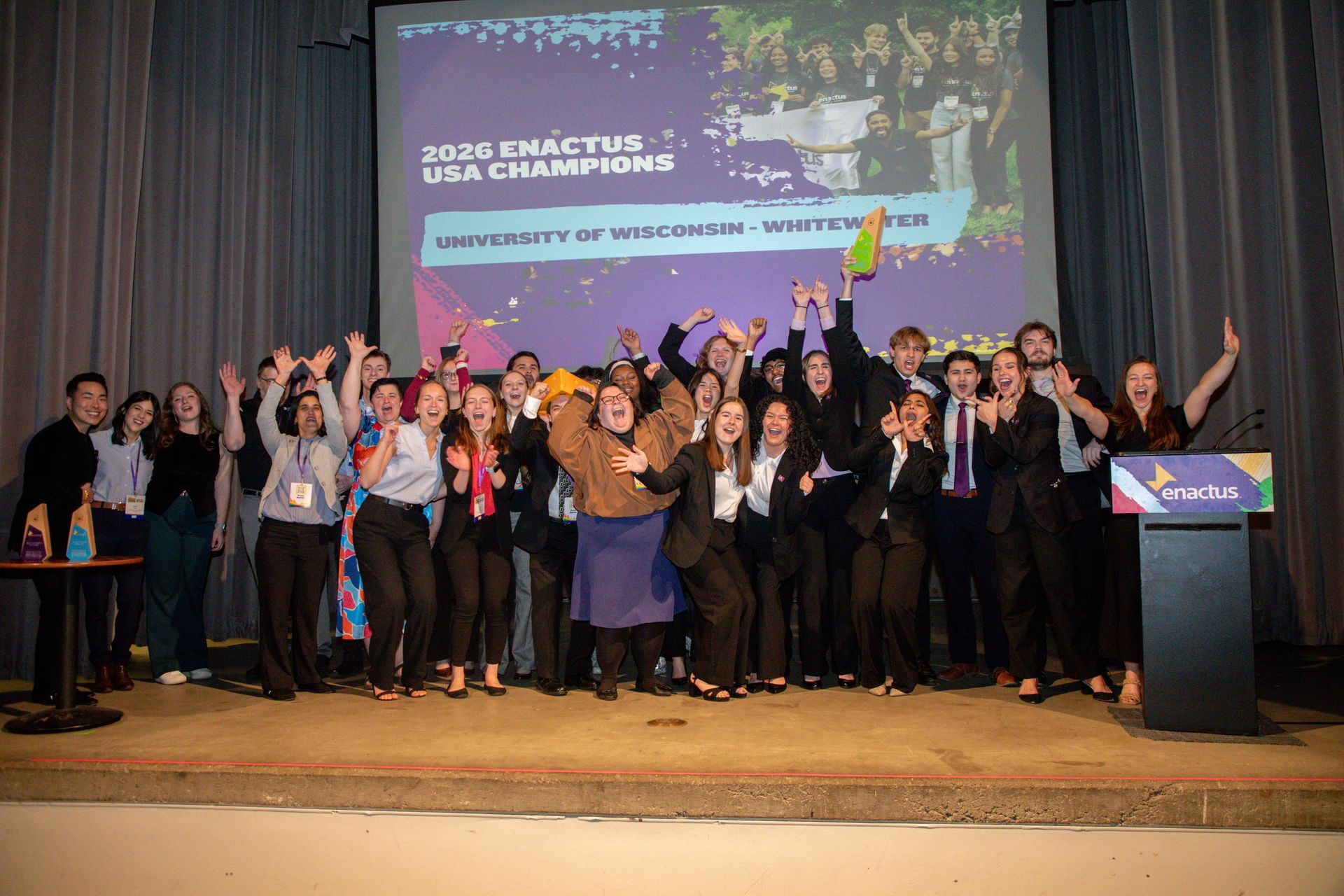
With Thanksgiving on the horizon, we’re reminded of gratitude: the simple act of noticing what’s good. But between the deadlines, personal pressures, and major changes that come along with college life, it’s easy to feel overwhelmed and forget how powerful gratitude can be. Recently, our co-founder Rebecca Sanchez attended the international Enactus competition, and she noticed something unexpected… At the international Enactus competition, she observed that the U.S. student team, when asked what would be most helpful to them at future competitions, didn’t ask for “more funding” or “bigger impact.” They asked for a quiet space to meet before and between competition. They wanted this space so that they could take time together to pause, to go around the circle and share what they were grateful for about each other. One of the students said that this would be the most powerful way to quiet the overwhelm. Even in the pressure cooker of competition, these students recognized how gratitude and relational connection could make a lasting impact on how they performed. Why Gratitude Matters Most Gratitude rewires your focus. When you intentionally notice what’s good (even small things like “the coffee was hot” or “my roommate asked how I’m doing”) you shift your brain away from chronic stress. Gratitude strengthens connection. A round-robin of telling peers “I’m grateful for you because…” cultivates social wellbeing, builds trust, and deepens community. Gratitude offers a reset. When overwhelm hits (midterms, family stress, job uncertainty) a simple gratitude ritual becomes a lifeline. A Simple Thanksgiving Gratitude Practice Gather three friends (in-person or virtual). Pass around a “talking object” (a mug, a pen, a stone). One by one, each person holds the object, names one thing they’re grateful for about the person to their right, then passes it on. End by each person naming one thing they’re grateful for in themselves. Self-gratitude matters. Gratitude Beyond Thanksgiving Gratitude isn’t just for a single holiday. It’s a habit. Consider: Keep a “gratitude jar” on your desk. At the end of each day, write one thing you’re grateful for, drop it in. At semester’s end, read them. When faced with a setback (a grade you didn’t want, a conflict, illness), ask yourself: “What’s one thing, however small, I can be grateful for in this moment?” Pair gratitude with action: thanking someone publicly (email, text, note) amplifies the benefit.  This Thanksgiving, remember: gratitude is about expanding your view. In the midst of change, stress, deadlines and growth, gratitude becomes an anchor. As you build your college years, let gratitude be more than a moment. Let it be a practice that shapes your rhythm, your relationships, and your resilience.
November 18, 2025
Money stress can hang over everything. Financial Wellbeing doesn’t mean adopting a system to budget every penny, but you do need to know where you stand financially. Clarity reduces anxiety about money. If you marked this dimension as a (!) in your Student Wellbeing Check-In , taking a peek at your bank statements is a great place to begin. First Steps You Can Try Today Check balances. Look at your bank accounts and upcoming due dates. Sort into three buckets. Begin tracking your spending into needs, wants, and savings. Set a buffer. Create a goal to set aside $100 (or whatever you can) for emergencies.
November 11, 2025
College is a time to experiment, not to have your whole life’s path figured out. Occupational Wellbeing means feeling your studies and work are moving you toward something meaningful. Even the tiniest steps are forward motion! If you marked this dimension as a (!) in your Student Wellbeing Check-In , getting clear about the direction you’re headed is a great place to begin. First Steps You Can Try Today Write your why. Jot one sentence about why you chose your major or current career path. Bookmark a resource. Visit your career center website and save one page or tool. Draft a message. Write (but don’t send yet) a short note asking someone for an informational chat.
November 4, 2025
Your space can set the tone for how you think and feel. A cluttered desk or messy room can make stress heavier. The fix for Environmental Wellbeing isn’t a total overhaul of your space. If you marked this dimension as a (!) in your Student Wellbeing Check-In , clearing one cluttered area is a great place to begin. First Steps You Can Try Today Do a five-minute reset. Clear off your desk, declutter your nightstand, or clean out your backpack. Create a signal. How can you cue your brain that it’s time to get down to business with items you have on hand? Turn on a lamp or grab a blanket to throw over your lap to signal “study mode.” Park your phone. Pick a spot in your room to leave your phone during focused work time. Don’t forget to turn off notifications!
October 28, 2025
Spiritual Wellbeing isn’t limited to religion. Making time for identifying meaning, reflection, and alignment with your values are spiritual practices in and of themselves. When you know and honor what matters most to you, decisions and stress feel easier to handle. If you marked this dimension as a (!) in your Student Wellbeing Check-In , identifying your values is a great place to begin. First Steps You Can Try Today Write your values. Put your top three values on a sticky note near your desk. Take five minutes of quiet. Walk, focus on your breath, or just sit in silence without your phone or agenda. Spot meaning. Write down one moment that felt important or grounding today.
October 21, 2025
Your brain can’t run on all-nighters forever. Intellectual Wellbeing doesn’t mean forcing yourself to study harder and longer Instead, ask yourself how you can study smarter and stay curious about subjects that interest you. Short bursts of focus will do more for your learning than endless cramming. If you marked this dimension as a (!) in your Student Wellbeing Check-In , giving the Pomodoro Method a try is a great place to begin. First Steps You Can Try Today Try a Pomodoro. Set a 25-minute timer, work on one study task, then take a 5-minute break. Ask before you read. Jot down three questions you want answered before you start a reading assignment. Feed your curiosity. Spend ten minutes exploring a subject or a question just because it interests you.
October 14, 2025
Being surrounded by people doesn’t always mean you feel connected. College can get lonely, especially if you’re in a new place or adjusting to a new routine. The good news? Social Wellbeing often grows from the smallest steps. If you marked this dimension as a (!) in your Student Wellbeing Check-In , sending one simple text message to connect is a great place to begin. First Steps You Can Try Today Send a text. Ask one person if they’d like to grab a coffee, study or walk to class together this week. Visit office hours. Connecting with a professor or TA can create support beyond academics. Say hello. Introduce yourself to a neighbor in your dorm, apartment, or library study space.
Show More